Personal Finance
Average Credit Score, Average Debt in Indiana
Take a look at the state of credit in your state..


The average American has a “good” credit score of 680; keeps three regular credit cards and 2.6 store cards; and is carrying less credit card debt and less overall debt, excluding mortgages, compared to 10 years ago. Way to go, America!
The information comes from the annual State of Credit report just released by the credit bureau Experian. It’s all good news, says Rod Griffin, Experian’s director of consumer education and awareness.
"This is a reflection of responsible credit use, a better economy and increased consumer confidence," he tells MoneyWise.com. "It's also a sign that people have a better understanding and greater awareness of credit and how to use it well."
Find out what's happening in Across Indianafor free with the latest updates from Patch.
But what about in Indiana? Find out if credit scores and debt levels are higher or lower than the national average, and see how your own situation stacks up.
Credit scores and credit cards in Indiana
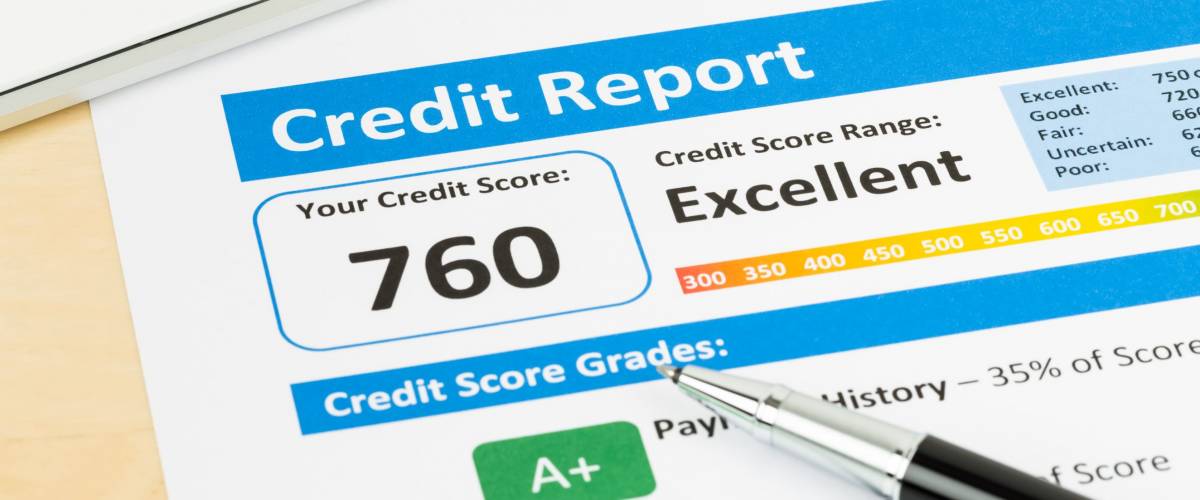
Push your credit score as high as possible so lenders will always treat you like a superstar borrower!.
The average credit score in Indiana is 675 according to the Experian report, which uses VantageScores that range from 300 to 850. A score between 661 and 780 is considered “good,” while a score of 601 to 660 is “fair.”
Find out what's happening in Across Indianafor free with the latest updates from Patch.
If you’ve got one of the highest VantageScores — between 781 and 850 — congratulations, because you’ve got “excellent” credit qualifying you for the best mortgage rates and other great credit terms. If you don’t know your credit score, it’s easy enough to find out for free.
As for credit cards, the typical consumer in Indiana has 2.73 regular credit cards (Too much? Just enough?) and an average total balance on those cards of $5,659.
Across the U.S., the average total credit card debt per person is $6,506, Experian says — down from $7,101 in 2008.
In Indiana consumers also have 2.67 retail credit cards, also known as store cards, with an average total balance of $1,844. Compare that to the U.S. average debt from store cards, which is $1,901. (Ten years ago, it was $1,759.)
Other parts of the credit picture in Indiana

It's important to understand the factors that influence your credit profile.
Here are a few other facts about what people are doing with credit in Indiana:
- Borrowers in the state are using an average 30% of their available revolving credit, such as from credit cards. The national average is 30%. That percentage is known as “credit utilization,” and you want to keep it low, because that can boost your credit score.
- The average amount of non-mortgage debt in the state is $23,583. Nationwide, the average is $25,104.
- The state’s homeowners are carrying average mortgage debt of $125,918. The U.S. average is $208,180.
"Credit is a financial tool that can be used to improve financial health," says Experian’s Griffin. "Releasing reports like this can help consumers understand the factors that influence their credit profile and help them make more informed decisions about credit."
That includes deciding to always make your payments on time and keep your balances low — to push your credit score as high as possible so lenders will always treat you like a superstar borrower! Be sure to keep an eye on your credit reports and credit scores, so you'll know if you're making the right credit moves.