Weather
Winter Safety Guide: How To Protect Your Home And Family
As temperatures begin to drop, the chances of winter storms begin to rise. Check out these tips to help keep your loved ones safe.


Winter has officially arrived — which means frigid temperatures and snowstorms are in store for a majority of the country. While there are some positives that go along with the harsh weather, like snow days and cozying up to the fireplace, it's important to be prepared and protect yourself, your family and your home in case of a winter weather-related emergency.
Here are some practical tips and recommendations you should know when a winter storm strikes.
Find out what's happening in DealTownfor free with the latest updates from Patch.
Ring is a Patch Brand Partner. This post includes a selection of products we think you'll love. Patch may earn a commission on products purchased.
1. Be prepared for a power outage and know how to use generators safely.
In the event of a winter storm, power outages are a likely possibility, especially when the snow is heavy or there's ice in the forecast. Having a generator on hand will provide backup power to your home in case there's a power outage. However, some safety rules must be abided by when using a generator. The Centers for Disease Control and Prevention recommends the following:
Find out what's happening in DealTownfor free with the latest updates from Patch.
- Never use a generator inside your home, in basements, in garages or near windows.
- Generators should be located at least 20 feet from any window, door or vent and in a space where rain and snow will not be able to reach them.
- Do not use the generator or appliances if they are wet.
- Do not store gasoline indoors where the fumes from the generator could ignite.
- Plug in appliances to the generator using individual heavy-duty, outdoor-rated extension cords.
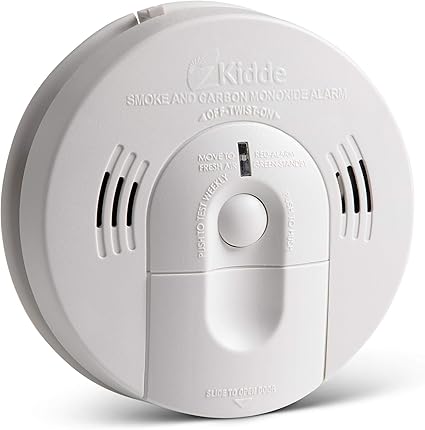
While it's clear that you should never use a generator indoors, it's still important to have at least one working carbon monoxide detector on every level of your home to ensure that your generator isn't spreading any dangerous fumes. This carbon monoxide detector by Kidde is also a smoke detector and provides protection even during power outages when many fire and carbon monoxide incidents can occur.
2. Heat your home safely.
If you're using a space heater to help heat your home when it's cold, you'll have to be extra cautious. According to the Electrical Safety Foundation International, it's important to read the manufacturer's instructions and warning labels carefully before using any space heater. You should also inspect heaters regularly and discontinue use if you find loose connections or cracked or broken plugs. And, of course, keep in mind that a space heater should never be left unattended.
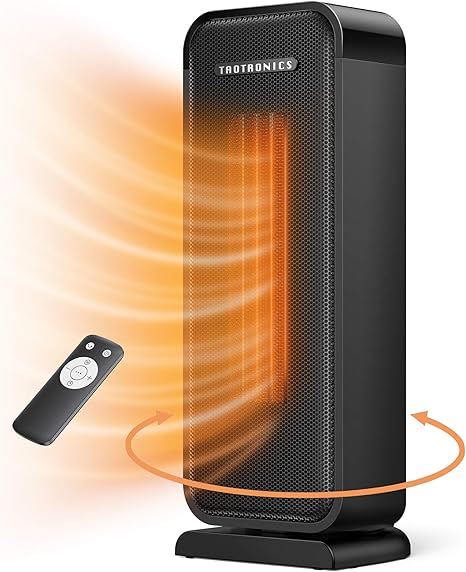
When choosing a space heater, opt for one that has A-plus safety ratings and features an automatic shut-off. This space heater from TaoTronics has built-in overheating and tip-over protection sensors, as well as a 12-hour timer, that work together to provide a much safer heating source. It's also compact and ideal for heating an entire room such as a bedroom or office.
If you're looking for a space heater that's smaller and more affordable, this efficient and portable space heater from Honeywell is perfect for a desktop and provides the ideal amount of personal warmth with two heat settings.

You'll need to use caution with fireplaces, wood stoves and other combustion heaters as well. The CDC recommends making sure that they are properly vented to the outdoors and do not leak gas from the flue or exhaust into the indoor air space.
3. Dress appropriately for colder temperatures and know the signs of frostbite and hypothermia.
Cold temperatures, power failures and icy roads are all good reasons to limit your time outside when a winter storm occurs. But if you do happen to go outside — or your children want to play in the snow after a storm — all should dress warmly and wear at least three layers. Adults and children should wear hats, gloves, scarves, water resistant-coats and boots.
According to the American Red Cross, it's also important to know the signs of frostbite and hypothermia, which are cold-weather-related emergencies that may quickly become life- or limb-threatening. If you experience any of these symptoms, please call 911 and seek medical help immediately.
Frostbite refers to the freezing of a specific body part such as fingers, toes, the nose or earlobes. Signs of frostbite include:
- Lack of feeling in the affected area.
- Skin that appears waxy, is cold to the touch or is discolored (flushed, white or gray, yellow or blue).
Hypothermia is the cooling of the body caused by the failure of the body's warming system. Signs of hypothermia include:
- Shivering
- Numbness
- Glassy stare
- Apathy
- Weakness
- Impaired judgment
- Loss of consciousness
Learn more about how to prevent hypothermia and frostbite from RedCross.org.
4. Have your emergency preparedness kit ready.
The Red Cross also recommends storing supplies in an easy-to-carry emergency preparedness kit that can be used at home or taken with you if you have to evacuate during a winter storm.
You can find plenty of prepacked emergency preparedness kits online, but you can just as easily assemble your own with these essential items:
- Nonperishable Food and Water — If you are stuck in your home due to icy or dangerous road conditions, it's always important to keep plenty of water and food in your home. In the event that you do run out of food and water, it's best to stock up on nonperishable food and emergency drinking water items beforehand.
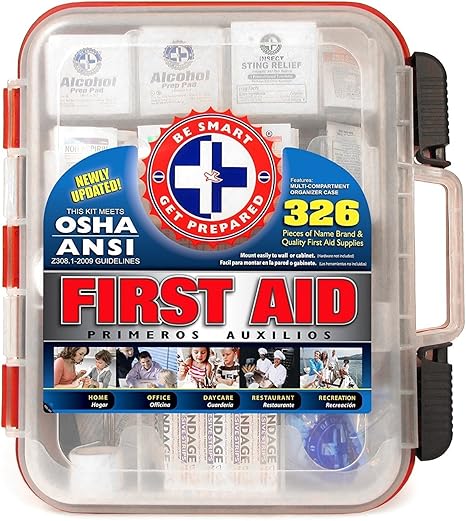
- First Aid Kit — First aid kits are essential in any emergency, and a winter storm is no exception. Most well-stocked, up-to-date kits will do, but we recommend this 326-piece kit from Be Smart Get Prepared. Not only does it exceed OSHA and ANSI guidelines, but it also comes in a compact, ready-to-carry hard case.
- Medication — Make sure to have a seven-day supply on hand of any medications needed by people or pets. Winter storms can cause power outages and dangerous road conditions that can prevent the use of medical devices. Ready.gov suggests having alternate plans in place for refrigerating medicines or using power-dependent medical devices.
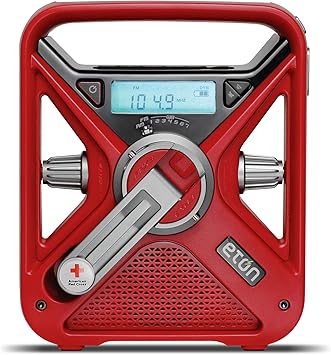
- Emergency Weather Radio - In the event of a storm, it's important to stay updated on the forecast. A battery-powered or hand-cranked emergency radio, such as this NOAA Weather Radio by the American Red Cross, is essential for getting information on local weather and safety conditions in case the power goes out. It can also charge a smartphone via a USB cord and features an LED flashlight with a red flashing beacon.
- Flashlights: Always keep one flashlight per person on hand in case of an emergency. This set of weather and shock-resistant flashlights can conveniently stay powered for hours with three AAA batteries. The Patch team also recommends this hand-powered Clipray from the American Red Cross that — when cranked for just one minute — produces enough power for 10 minutes of light.

- Emergency Blankets: Emergency blankets can help you retain much-needed body heat in an emergency situation — especially in the event that the power goes out and you don't have heat during a snowstorm. This set of four Mylar thermal blankets is designed to help you retain up 90 percent of your body heat and completely block rain, snow and moisture.
Check out more essential items to include in your emergency survival kit from Redcross.org.
5. Protect your home, driveway and walkways from ice.
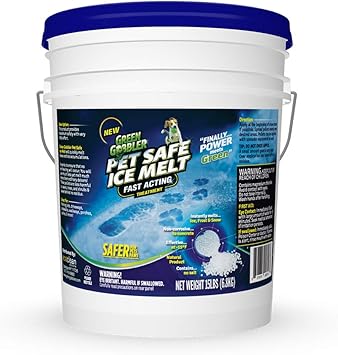
According to the CDC, "Many injuries related to cold weather happen from falls on ice-covered sidewalks, steps, driveways and porches." Luckily, there are ways to keep your steps and walkways free of ice. The CDC suggests using rock salt, sand or other chemical de-icing compounds to reduce the risk of slipping. There are also pet-friendly options such as this fast-acting ice melt from Green Gobbler.
6. Make sure your walkways are well-lit.
According to the Centers for Disease Control and Prevention, “Inadequate lighting impairs vision and one's ability to see hazards.” Proper lighting helps allow people to see their surroundings and notice potentially unsafe conditions in time to avoid them.
To help improve visibility — particularly on your walkway or other high-traffic areas — the Patch team recommends installing Ring Solar Pathlights. They each shine up to 80 lumens of white light when motion is detected. You can turn them on or off, adjust the brightness and customize the motion sensitivity from anywhere using the Ring App.

With Ring Solar Pathlights, you can also enjoy features such as Dusk to Dawn to keep your lights dimly lit all night while continuing to illuminate at full brightness when motion is detected. Plus, they easily stake into soft ground and recharge in direct sunlight.
For an additional light source and to help protect your home around the clock, the Patch team recommends Ring Spotlight Cam. It has HD video, bright lights, Two-Way Talk and a siren. Setup is simple, and easily adjustable motion sensors let you get the ideal setting for you and your home.

You can also get alerts on your phone, tablet or compatible Alexa-enabled devices when motion is detected on Ring Spotlight Cam, so you can see, hear and speak to visitors from anywhere. And with Ring Smart Lighting, you can also link your lights to Ring Video Doorbells and Security Cameras so they shine when motion is detected.
Check Out More Ring Smart Lighting Options For Your Home
Sources:
Get more local news delivered straight to your inbox. Sign up for free Patch newsletters and alerts.